The Numerical Ringed Polytope Naming Scheme
Introduction
This is a sequel to the n op polytope naming scheme. It keeps the parts people like (the n-eltes, naming things based on Coxeter-Dynkin diagrams), and will fix the parts people don't like (having to convert between decimal and binary). This page will also be more concise, only delving into how the scheme works, rather than also showing how I made it, and being a boiling mess of fractured ideas of the past.
For the record: I like the n op scheme more than this one. But since my goal is to get people to use my scheme, that means I have to be willing to compromise. This scheme handles larger dimensions better though.
Diagram Names
The idea behind this scheme is that you give names to unringed order sensitive Coxeter diagrams, based on what you'd get if you ringed the first node. You can call them whatever you want, but of course I recommend using the ones on this page. I don't really like the names here, but if I were to change them, I think that'd crush all my chances of making these standard. After you have the ringless diagram, you specify how the nodes are ringed, which I will explain in the next chapter.
| o3...3o An | o4...3o Bn | o3...4o Bn | o3o4...3o Fn | o5...3o Hn | o3...5o Hn | o3...3o *b3o Dn | |
| 2D | Triangle | Square | Square | Triangle | Pentagon | Pentagon | Rectangle |
| 3D | Tetrahedron | Cube | Octahedron | Octahedron | Dodecahedron | Icosahedron | Tetrahedron |
| 4D | 5-Cell | Tesseract | 16-Cell | 24-Cell | 120-Cell | 600-Cell | 4-Demi |
| nD | n-Simplex | n-Cube/Numberact | n-Orthoplex | n-Demi |
For things not on this chart (stellar regulars, tilings, etc), if it has a linear diagram you can say the name of the shape when just the first node is ringed, and it'll probably work fine.
Ringing Nodes
Every node gets assigned a number based on its index. For the linear diagrams, this is a simple count starting from 1. If nodes other than #1 are ringed, you speak the ringed nodes in ascending order, followed by "ringed", and then the empty diagram's name. The branch node is always read last, but still before "ringed [shape]".
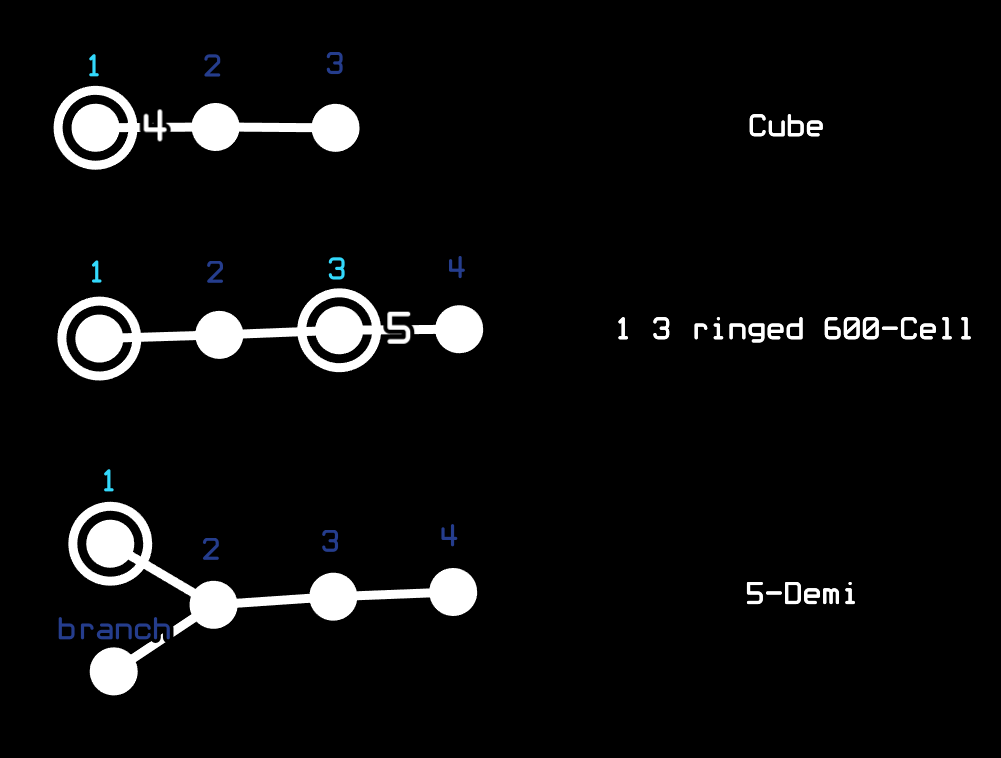
For the 5-demi example, ringing the first node is equivalent to ringing the branch node, so ringing the first is preferred, since that simplifies to nothing. Branch ringed n-demi simplifes to 1 ringed n-demi, and 1 ringed [shape] simplifies to [shape]. You might think there's no reason for the branch node to exist on the n-demi, but there actually is, which is specifying symmetry. The 1 branch ringed 5-demi is just a 2 ringed 5-cube, but with D5 symmetry instead of B5.
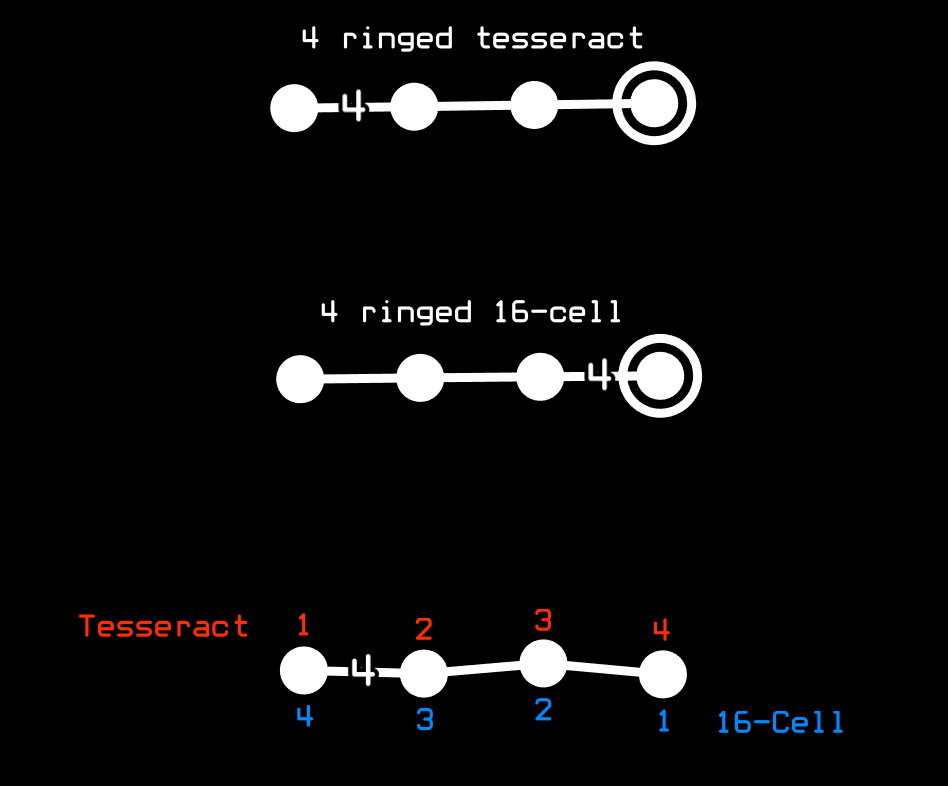
The direction mattering might be a little confusing, but basically duals have opposite number order from each other. The 16-cell is the 4 ringed tesseract, and the tesseract is the 4 ringed 16-cell. Though of course, these are not the recommended names for these shapes by the system, I'm just using them as an example.
"This works pretty well for most wythoffian shapes, but what if I want to omnitruncate a 36-cube, hmmm? I don't want to say '1 2 3 4 5 6 7 8 9...ringed 36-cube'! That would be most preposterous."
— You, Probably
You're right, that's pretty bad. That's why I'm introducing the "omni" prefix! The omni ringed 36-cube is a 36-cube with all nodes ringed. But this only brings our worst case down to n-1 numbers for a polytope of rank n. That's why I'll also add the "minus" prefix. So if you ring all but the last node, that would be an "omni minus 36 ringed 36-cube". This brings the worst case down to n/2. That's still not great, but who cares about polytopes above rank 8 anyway?
Note: I do not recommend using omni and minus until rank 6 at least. The syllables saved are not worth the confusion.
E Polytopes
Now it's time for my favorite, E polytopes! The way the ringless diagrams are named is hexelte for E6, septelte (or heptelte if you prefer) for E7, and octelte for E8. From there, you number from the end of the longest branch to the end of the length 2 branch.
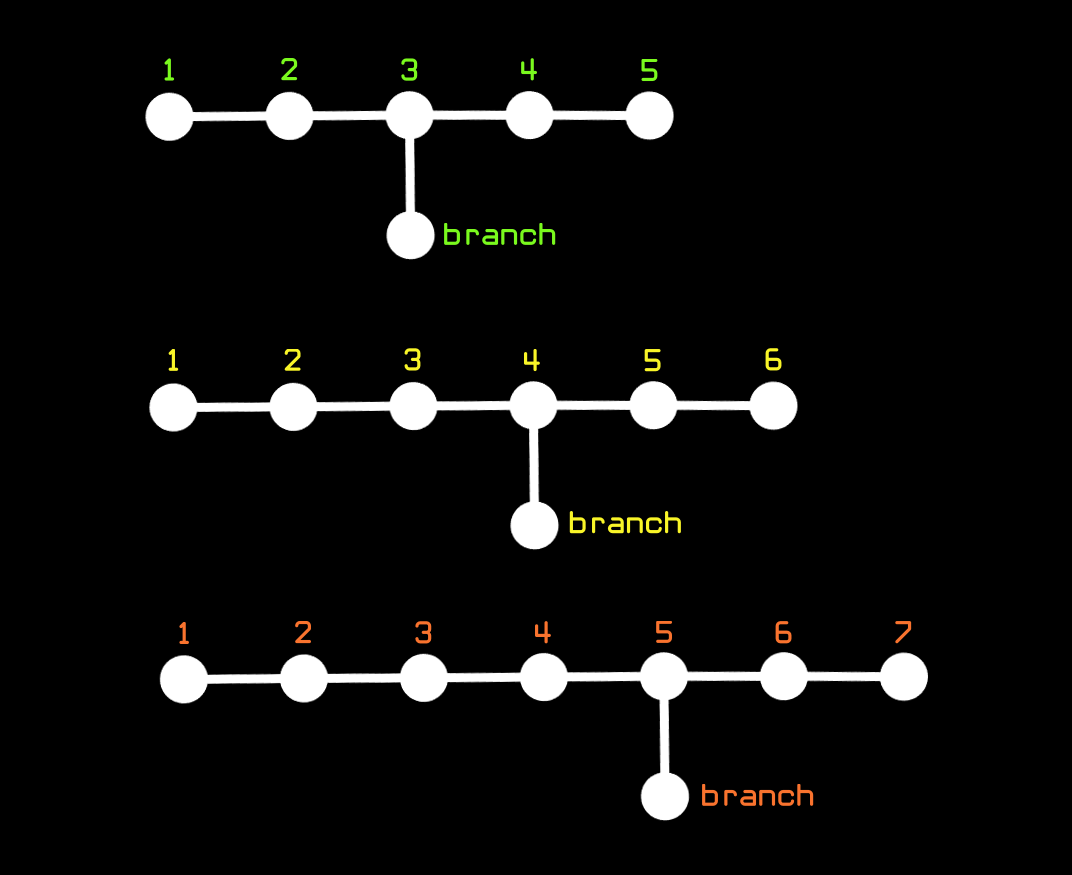
This means the 2_21 polytope is called the hexelte, the 3_21 polytope is called the septelte, and the 4_21 polytope is called the octelte, since those are the 1 ringed polytopes.
By the way, if you were wondering about omni, it rings the branch node too. So to just ring 1-7 on E8 for example, that would be called a "omni minus branch ringed octelte". The old scheme would call that the 127 op octelte, which is 2 more syllables but much shorter to write. We'll get back to this later.
"Okay, but what if I want to truncate a 1_42 polytope? Do I really have to say "5 branch ringed octelte"? If I were to get used to this scheme, I'd get used to "1 2 ringed" being truncation!"
— You, Probably
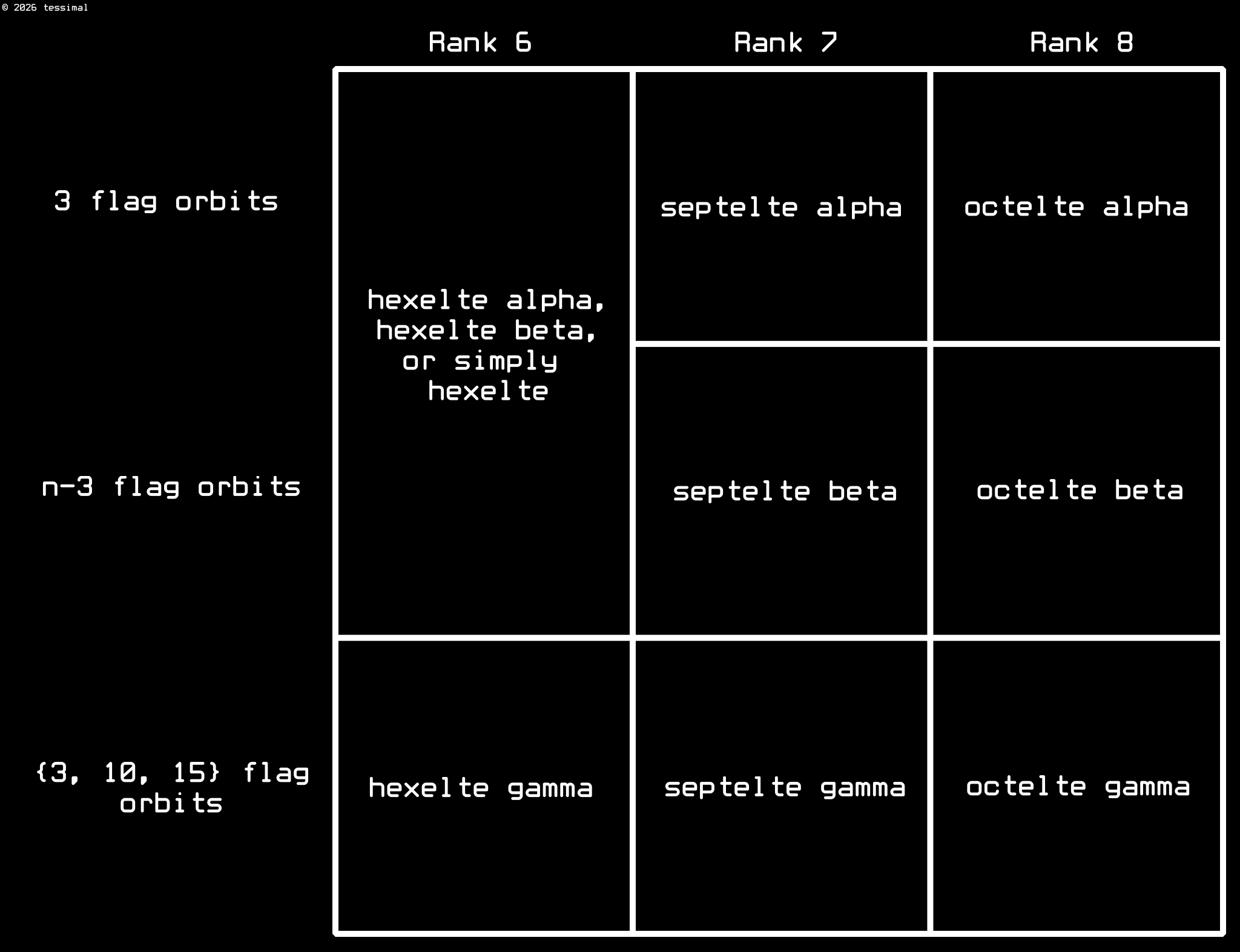
That's where the branch names come in! k_21s have the least flag orbits (3), so they get the first letter of the greek alphabet, alpha. 2_k1s have a few more flag orbits (n-3), so they get the second letter, beta. 1_k2s (usually) have way more (3, 10, 15), so they get the third letter, gamma.
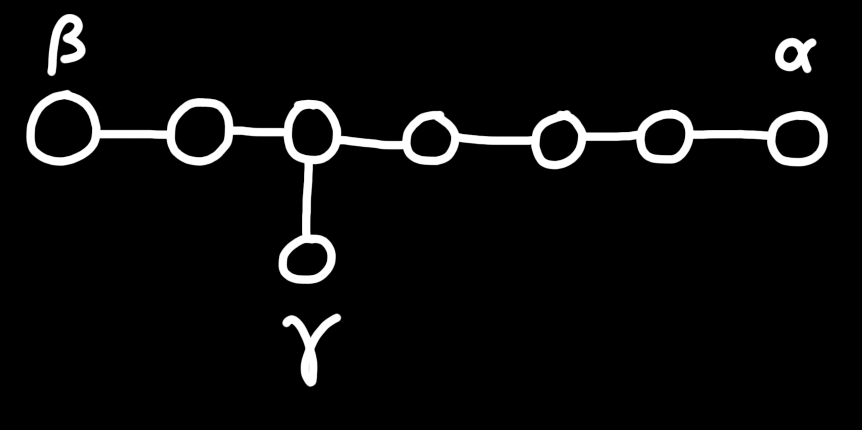
And actually, for clarity, I recommend calling the septelte and octelte the septelte alpha and octelte alpha respectively. For E6 my recommendation reverses, since the hexelte alpha and hexelte beta are the same, I recommend never saying either, and always saying "hexelte".
Okay okay but what do we do with these branch names? Well, we number from them. Alpha is the default, so you've already seen how that looks, but ringing from beta the numbers switch direction, and ringing from gamma is a lot more difficult. I will explain.
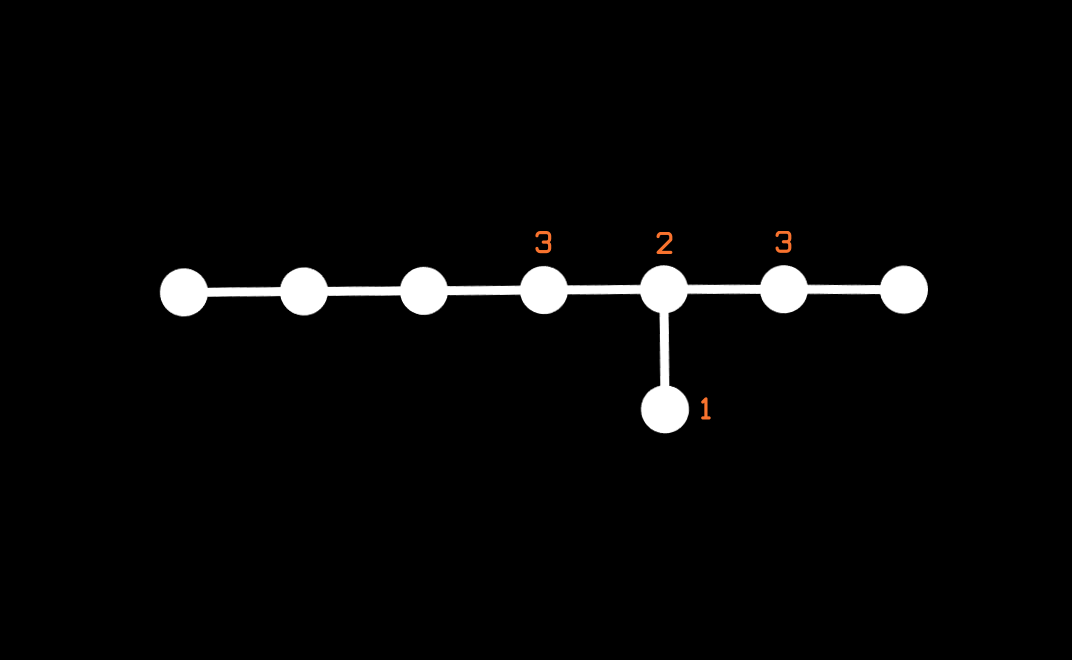
Basically, you start with the gamma node as 1, the next node as 2, and then its two neighbors as 3. Since two nodes are labelled the same, if one is ringed and the other isn't, you can't name the polytope from gamma, and must choose alpha or beta, depending on which is simpler. (Usually beta).
If a node that isn't labelled is ringed, you cannot name it from the gamma branch.
Non Wythoffians
There's only 4 convex uniform non wythoffians, so there's no point to giving them a system. I'll just list them.
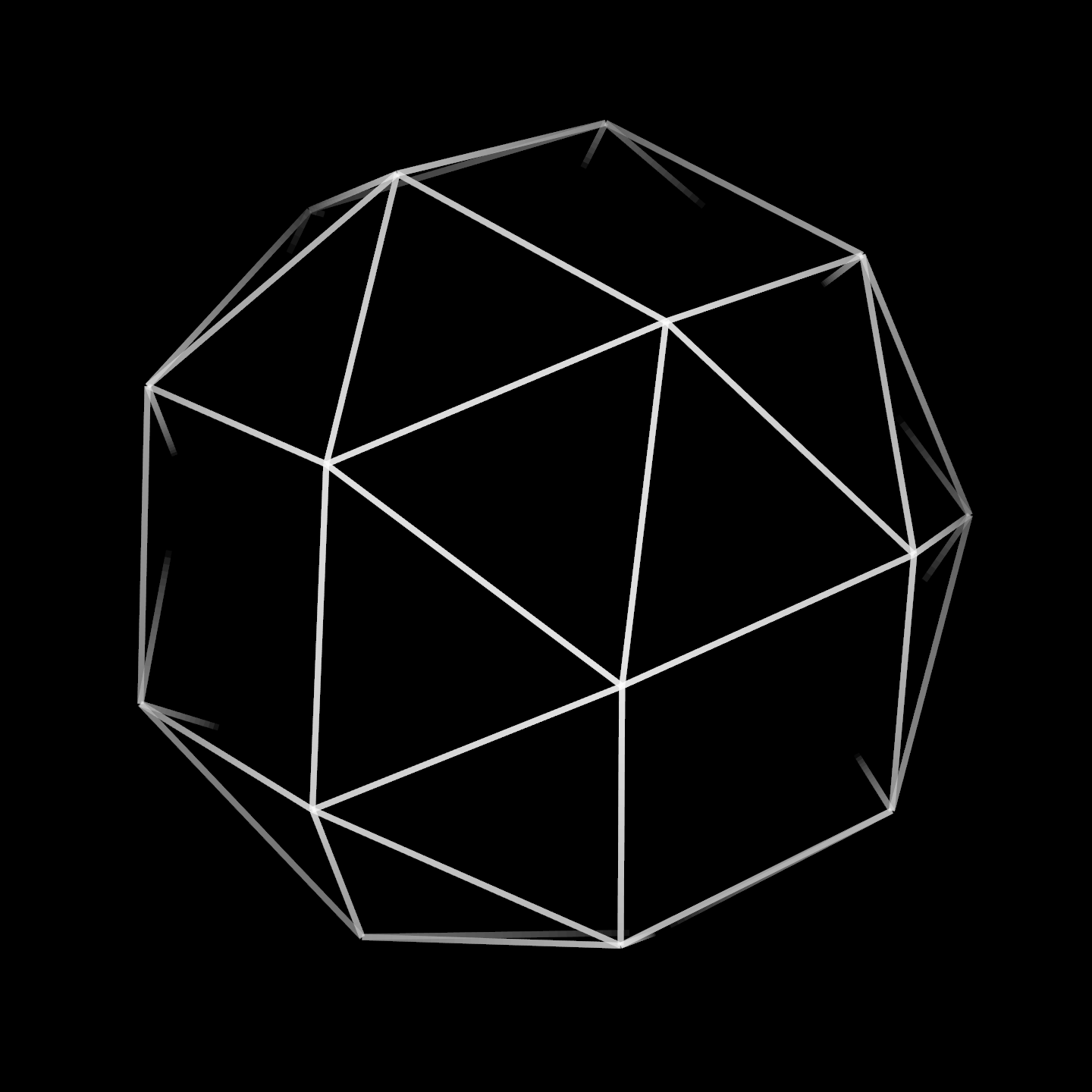
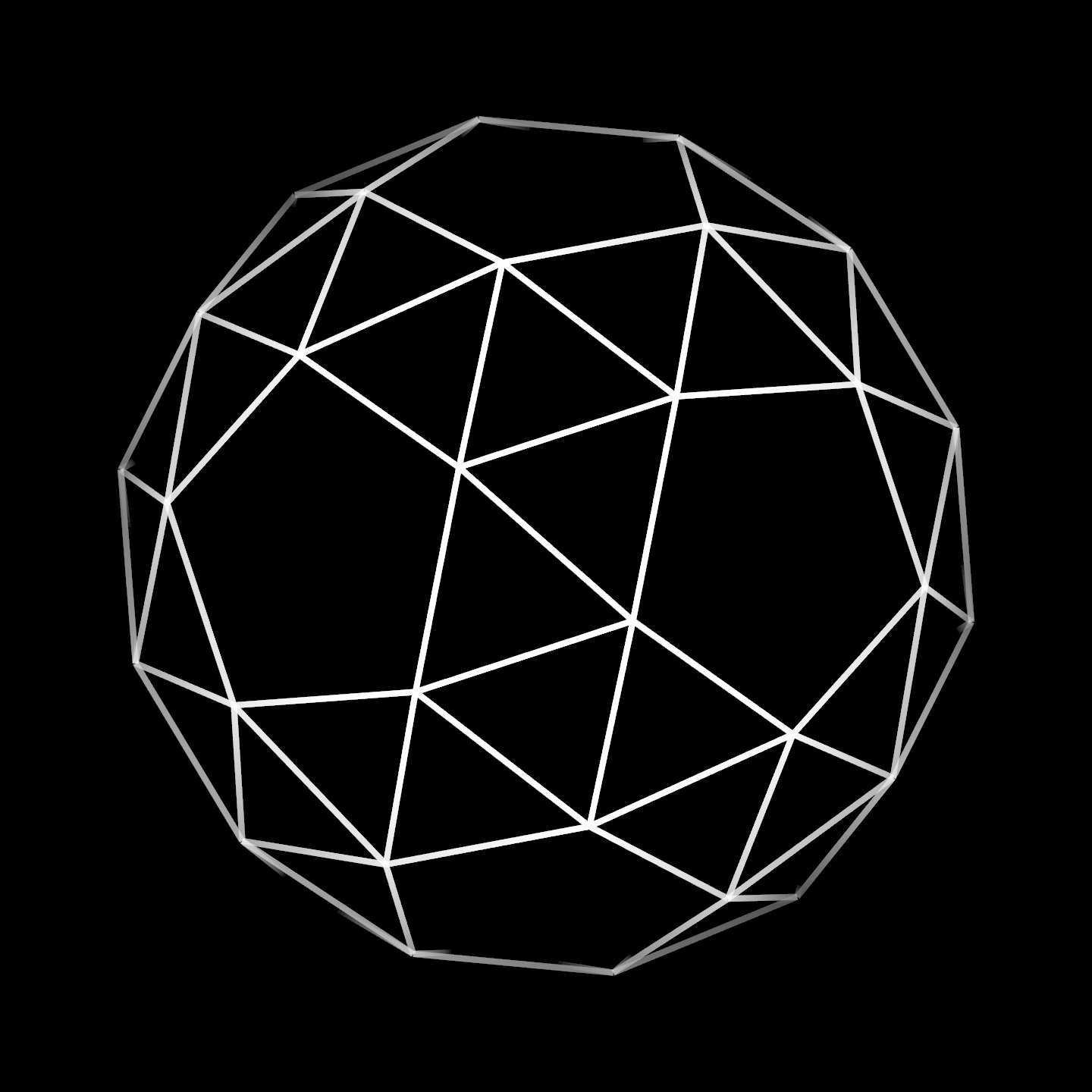
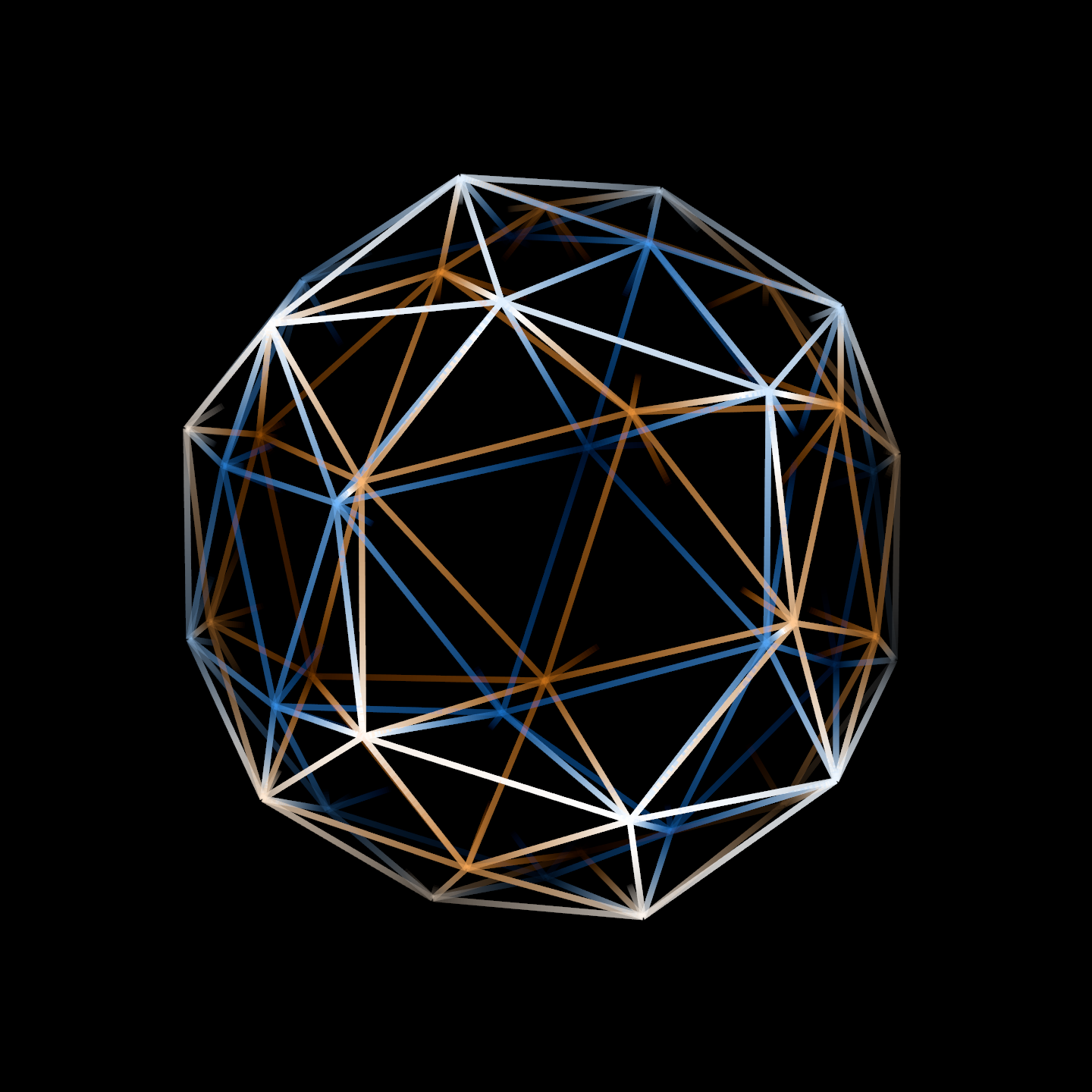
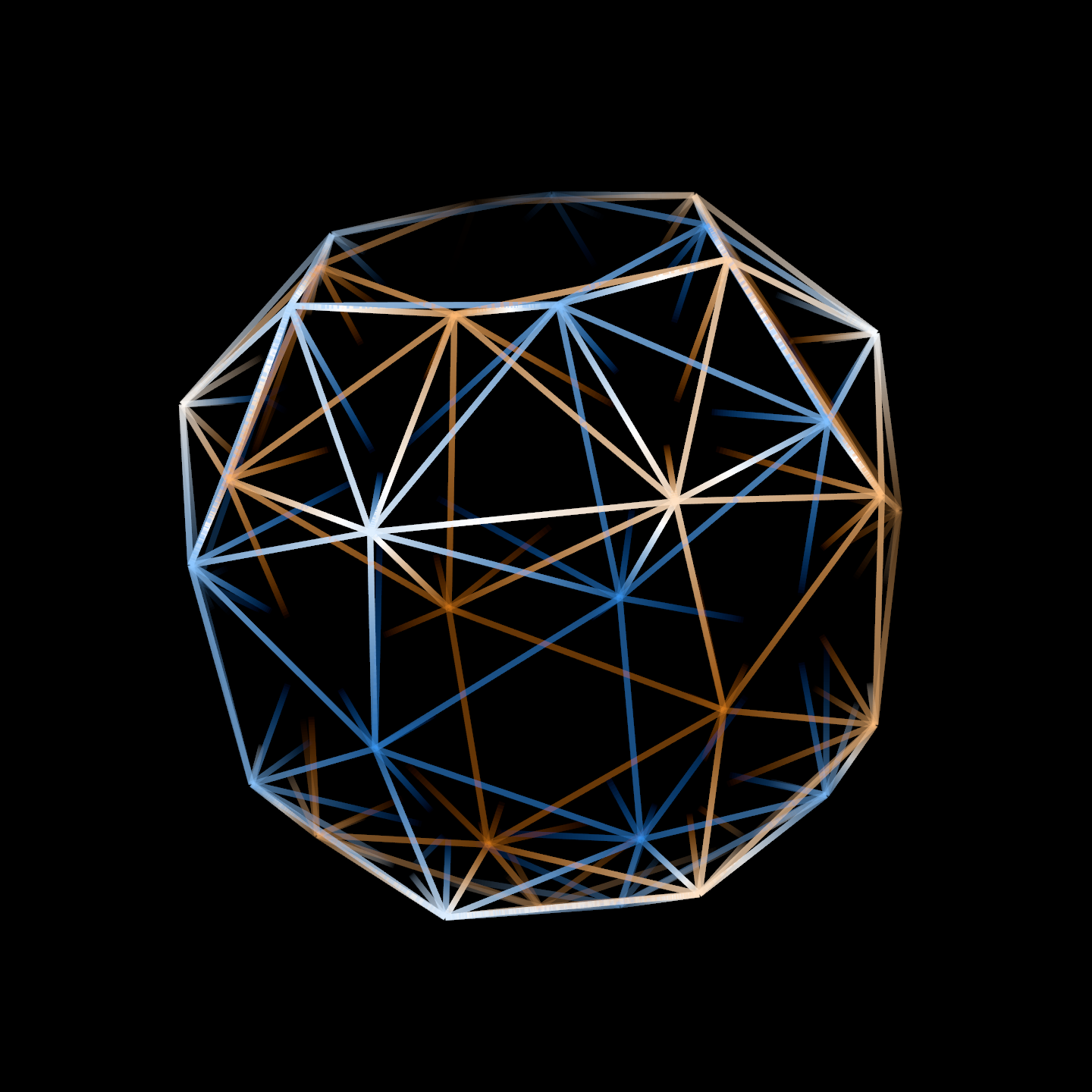
Fun fact! The bidecadiminished 600-cell is the only Archimedean solid of any dimension to be non wythoffian but not snub*! It's extremely unique. My friend has a page about its analogs.
*Most would call it snub, but that's stupid. Link to the Polytope Discord poll that makes me say "most would call it snub". Screenshot if you're not on the discord or it expires for whatever reason. I don't know why anyone would define snub as anything but "representable with a Coxeter Dynkin diagram with snub nodes, and non wythoffian". Last bit because the n-demicube is s4o3o3o3o... and I don't want to consider it snub, so it being able to be reprsented as o3o3o3o... *b3o makes it wythoffian, so it's not snub.

Conclusion
To get a polytope's dual, you write "dual" before the polytope name. Truly groundbreaking stuff. Might even mention how you write the prism of a shape in this system. You'll never guess it!
These names are fairly quick to speak, but writing them can be slow. To solve this, we can substitute words for letters and symbols:
| omni | o |
| branch | b |
| minus | - |
| ringed | r, or nothing |
| [shape diagram name] | OBSA for that shape (optional) |
So that example from earlier would be called "o-b octelte". That's a huge improvement. Though if you're speaking it, I'd recommend the long names.
I wanted to make this scheme appeal to the Polytope Discord after they said they didn't like having to convert to and from binary. They also said they don't like that it doesn't support non convex uniforms, and I was gonna do that, but they're really complicated and there are tons of non wythoffians. Maybe someday though.
Thanks for reading!